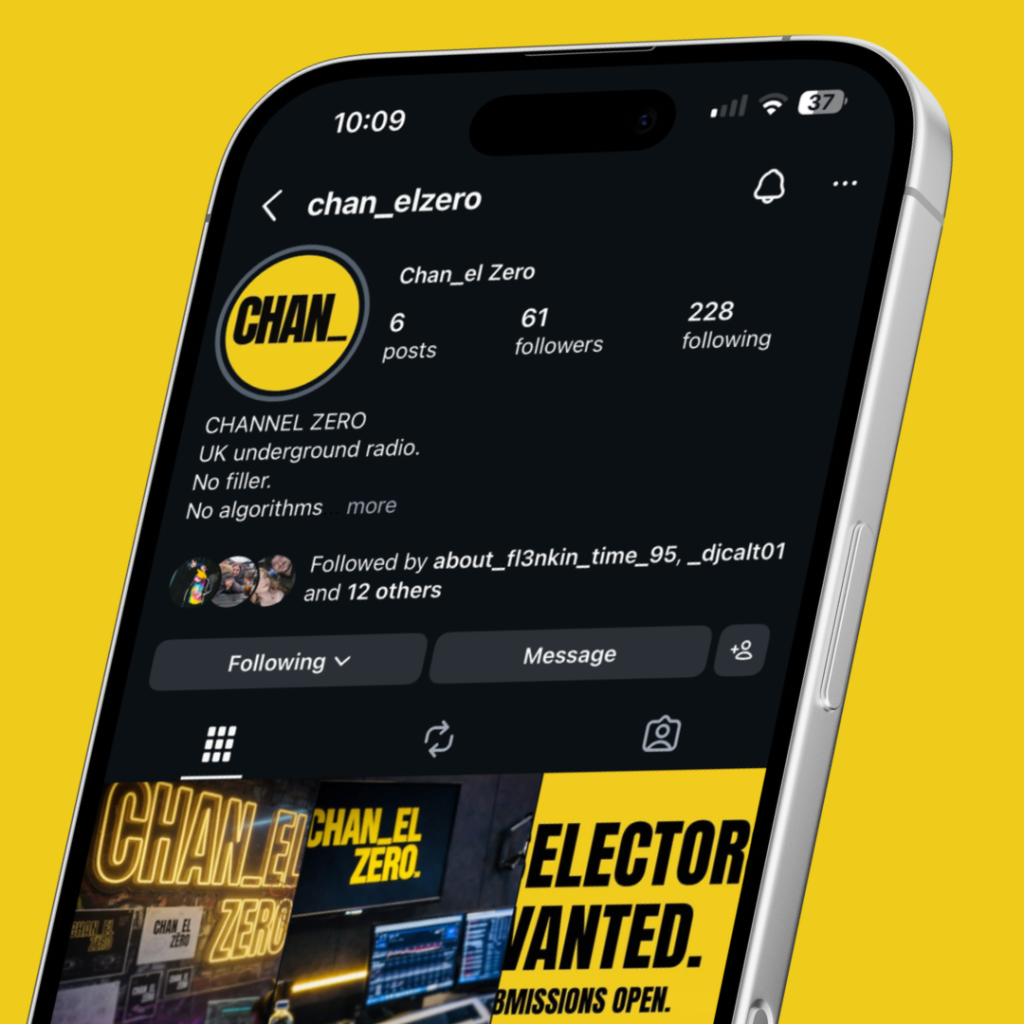
The client required a complete brand identity and digital presence built entirely from the ground up. At the outset, there was no defined visual language, no consistent online presence, and no cohesive system to communicate who they were or what they represented.
The objective was to establish a clear and recognisable brand foundation that could operate consistently across both digital platforms and social channels. This included defining how the brand should look, feel, and behave, then translating that into a usable identity system capable of scaling across content and media.
Beyond static branding, there was a need for the identity to feel active and engaging in digital environments. This required the development of motion-led visual elements and a structured content direction that could support ongoing output while maintaining consistency and recognition.
The end goal was to create a fully formed, self-contained brand presence that could exist independently and communicate clearly across all touchpoints.
The project began with establishing a clear strategic foundation for the brand, defining how it should be perceived before any visual development took place. This involved identifying the core positioning, intended audience perception, and the overall tone the identity needed to communicate across digital environments.
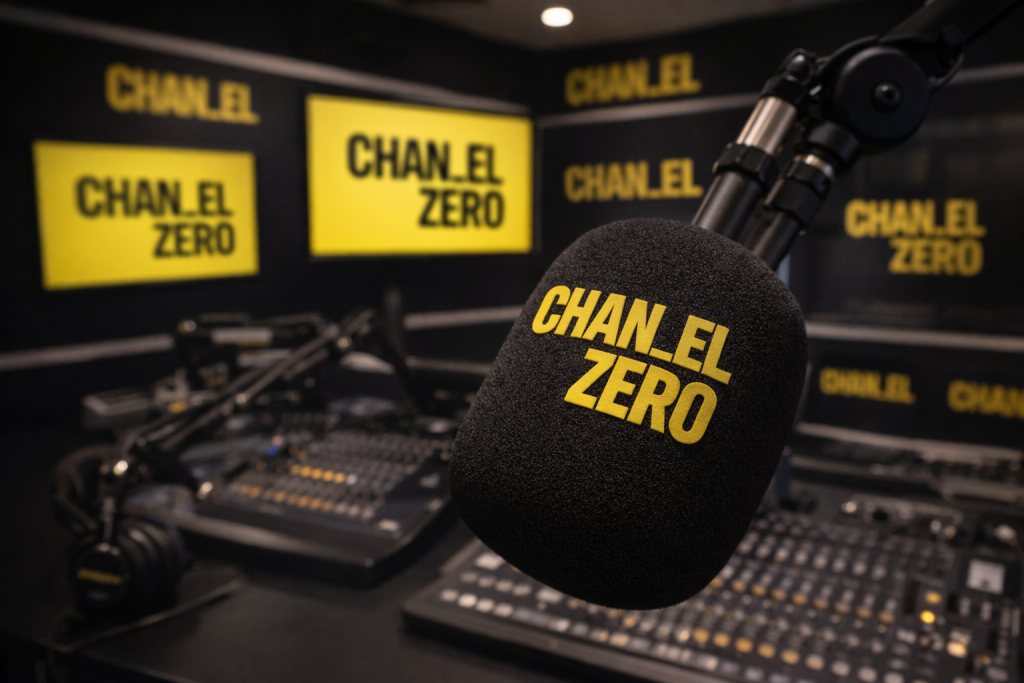
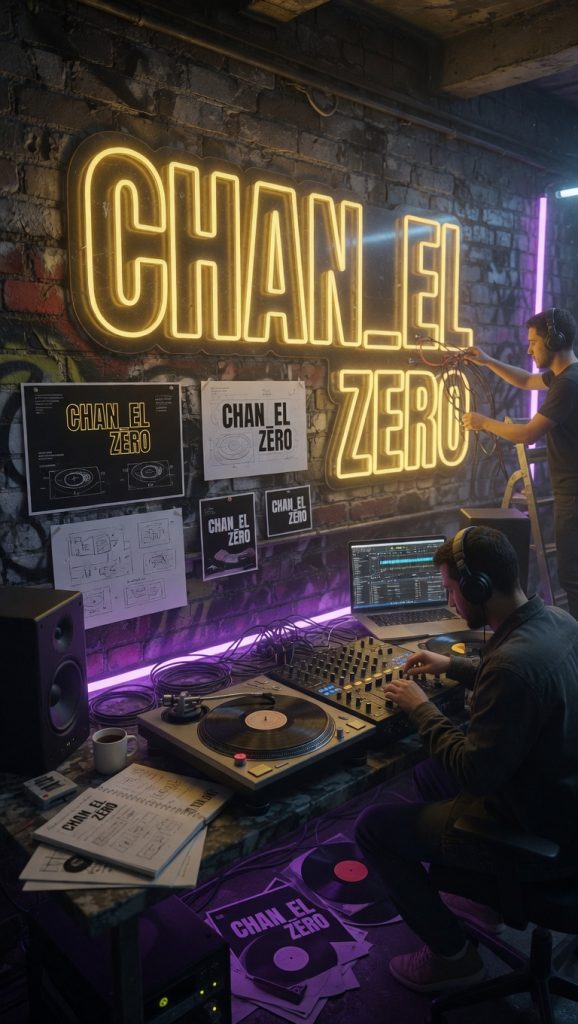
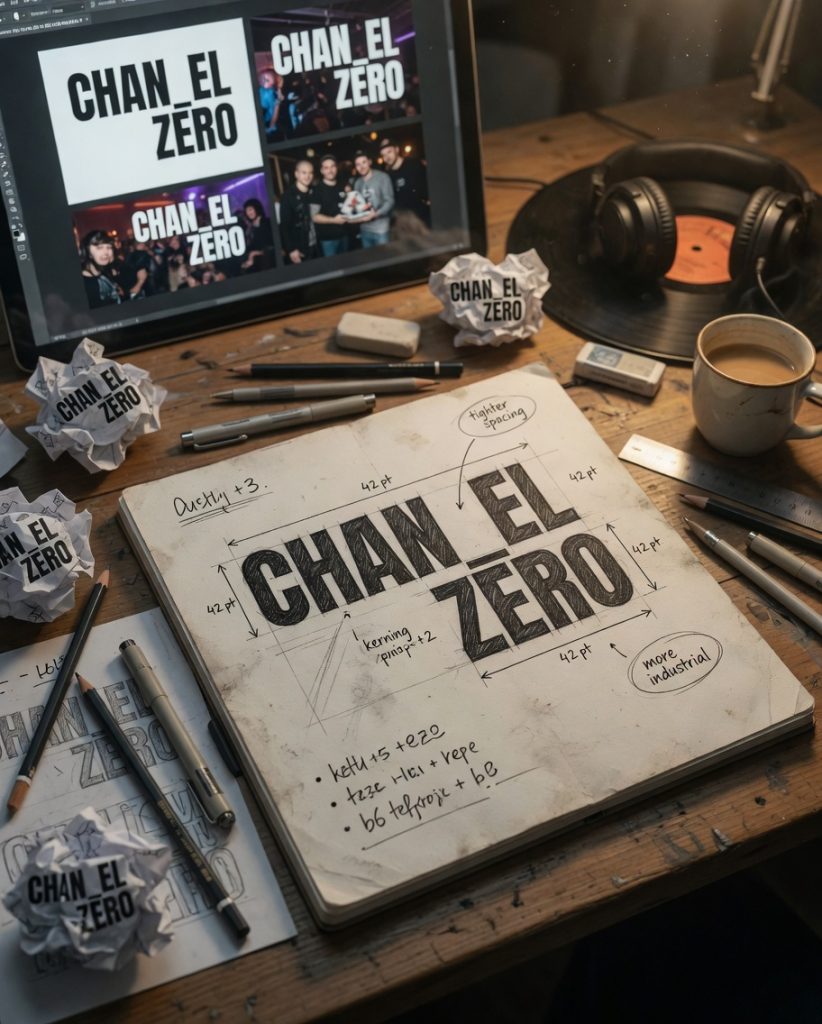
From there, we developed the visual identity system, building the core design language that would govern all future outputs. This included typography direction, colour structure, and compositional rules designed to ensure consistency while still allowing flexibility across different formats.
Once the identity system was in place, we translated it into practical applications across digital platforms. This included designing and deploying social media assets and establishing a coherent online presence that reflected the brand consistently at every touchpoint.
To extend the identity beyond static design, we developed animated visual elements to introduce movement and energy into the system. These motion assets were used to reinforce recognition and create a more dynamic, modern presence across digital channels.
Throughout the process, the focus remained on cohesion — ensuring that every output, from static visuals to motion content, functioned as part of a single unified brand system rather than isolated creative pieces.

The project began with establishing a clear strategic foundation for the brand, defining how it should be perceived before any visual development took place. This involved identifying the core positioning, intended audience perception, and the overall tone the identity needed to communicate across digital environments.
From there, we developed the visual identity system, building the core design language that would govern all future outputs. This included typography direction, colour structure, and compositional rules designed to ensure consistency while still allowing flexibility across different formats.
Once the identity system was in place, we translated it into practical applications across digital platforms. This included designing and deploying social media assets and establishing a coherent online presence that reflected the brand consistently at every touchpoint.
To extend the identity beyond static design, we developed animated visual elements to introduce movement and energy into the system. These motion assets were used to reinforce recognition and create a more dynamic, modern presence across digital channels.
Throughout the process, the focus remained on cohesion — ensuring that every output, from static visuals to motion content, functioned as part of a single unified brand system rather than isolated creative pieces.